Vitamins | Minerals | Trace Elements
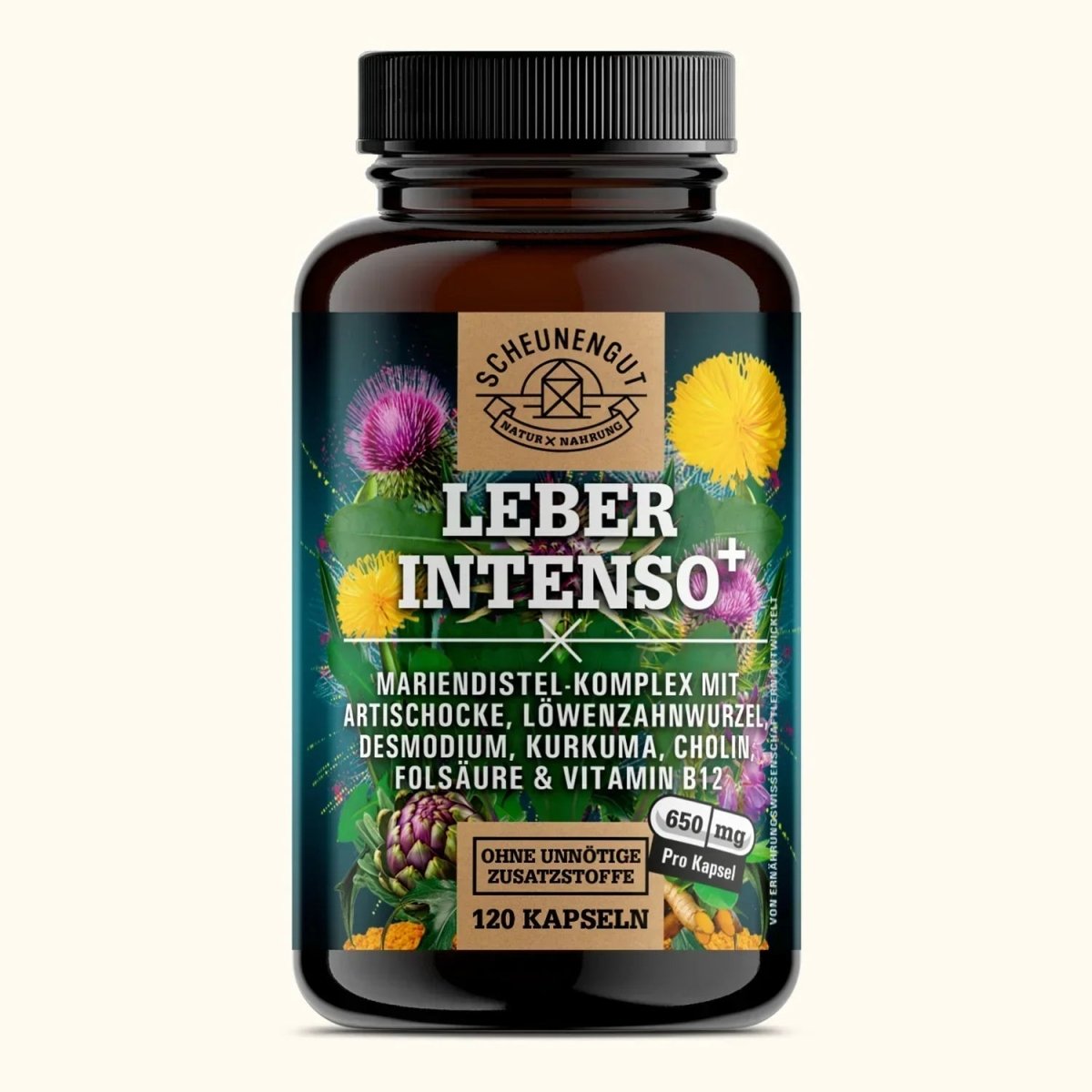
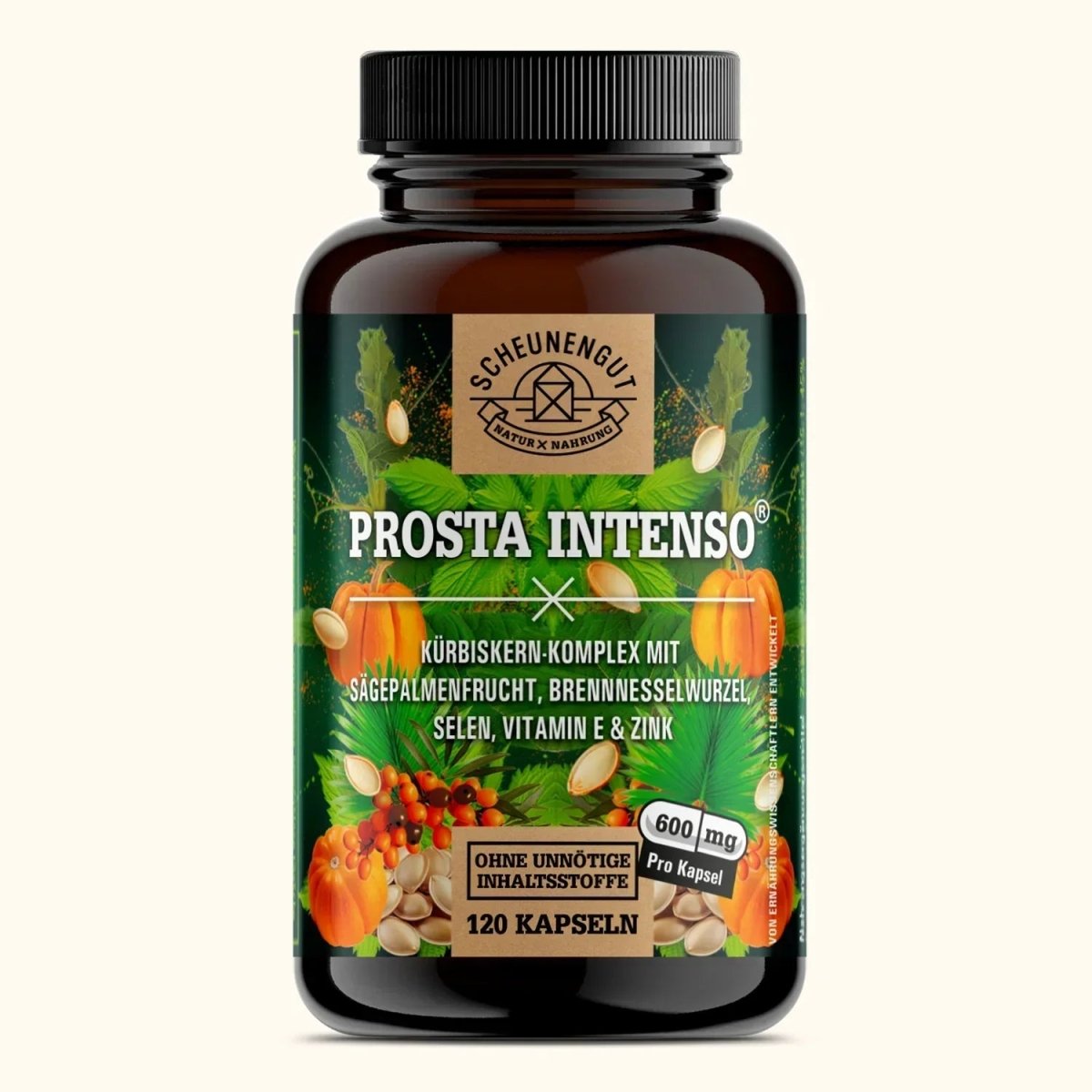
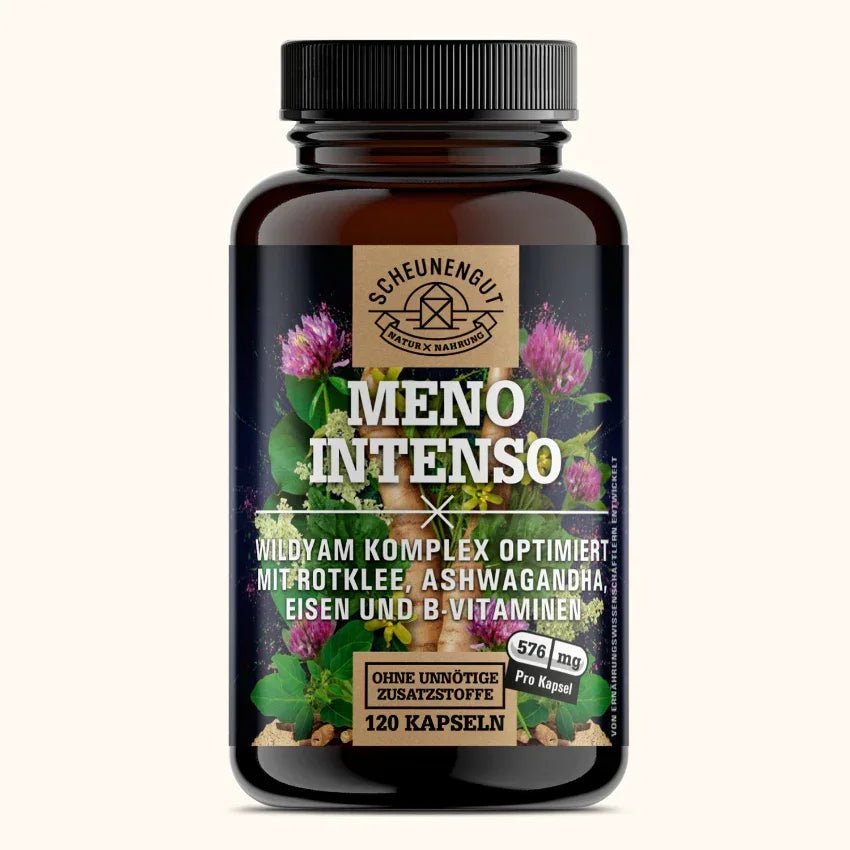
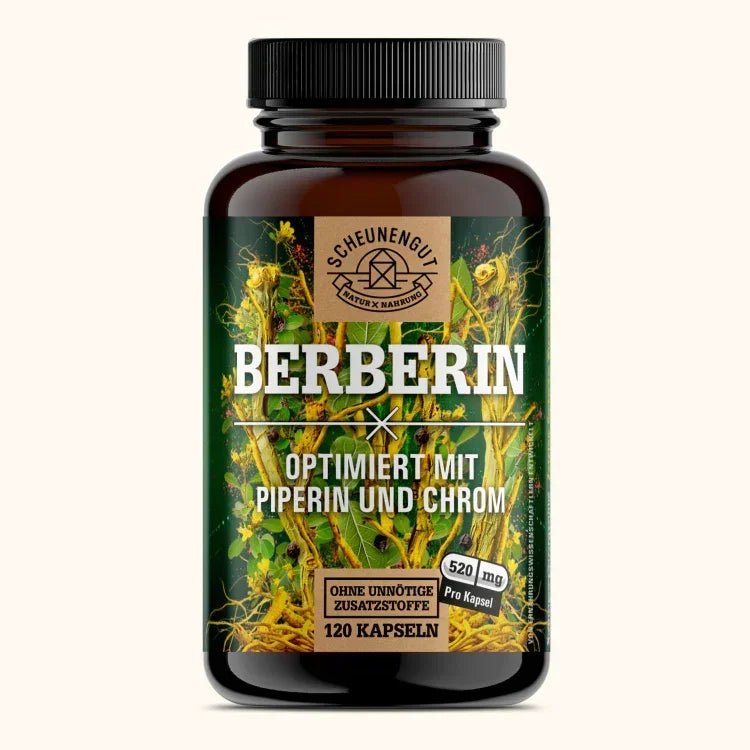
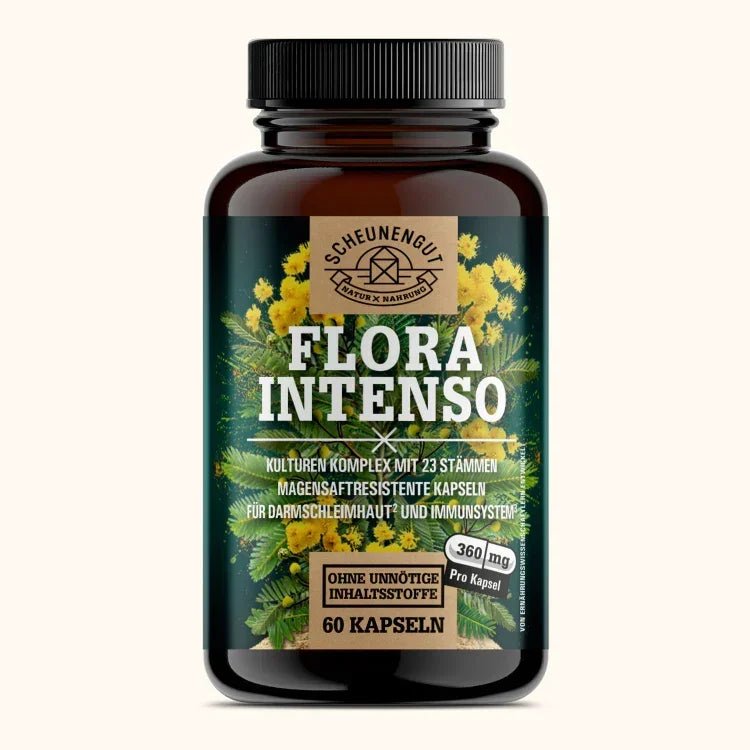
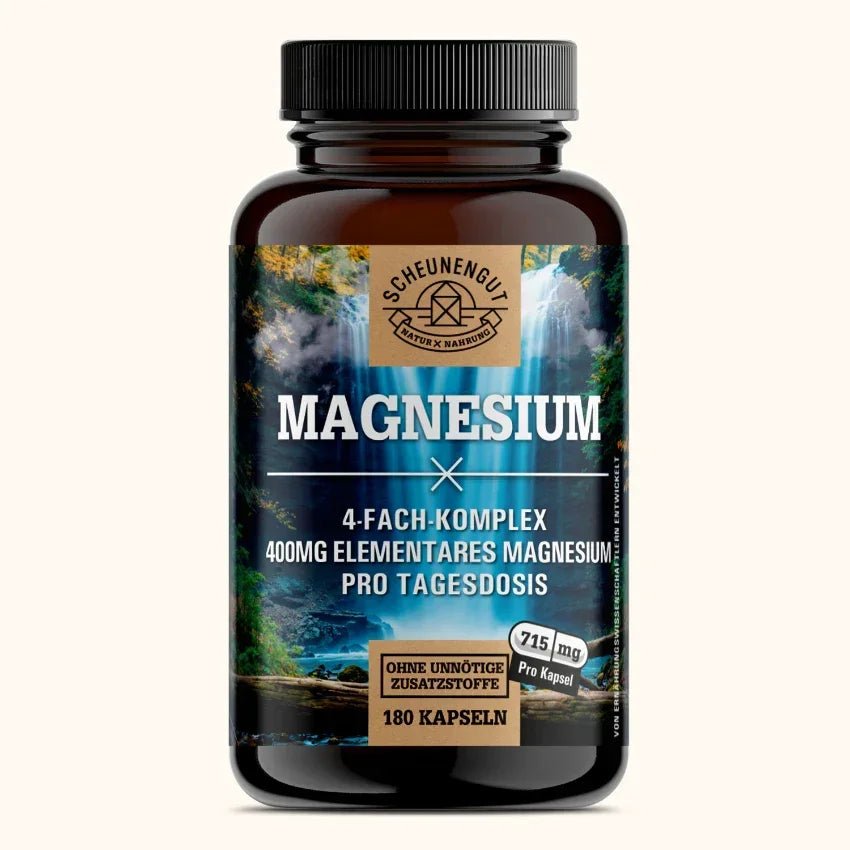
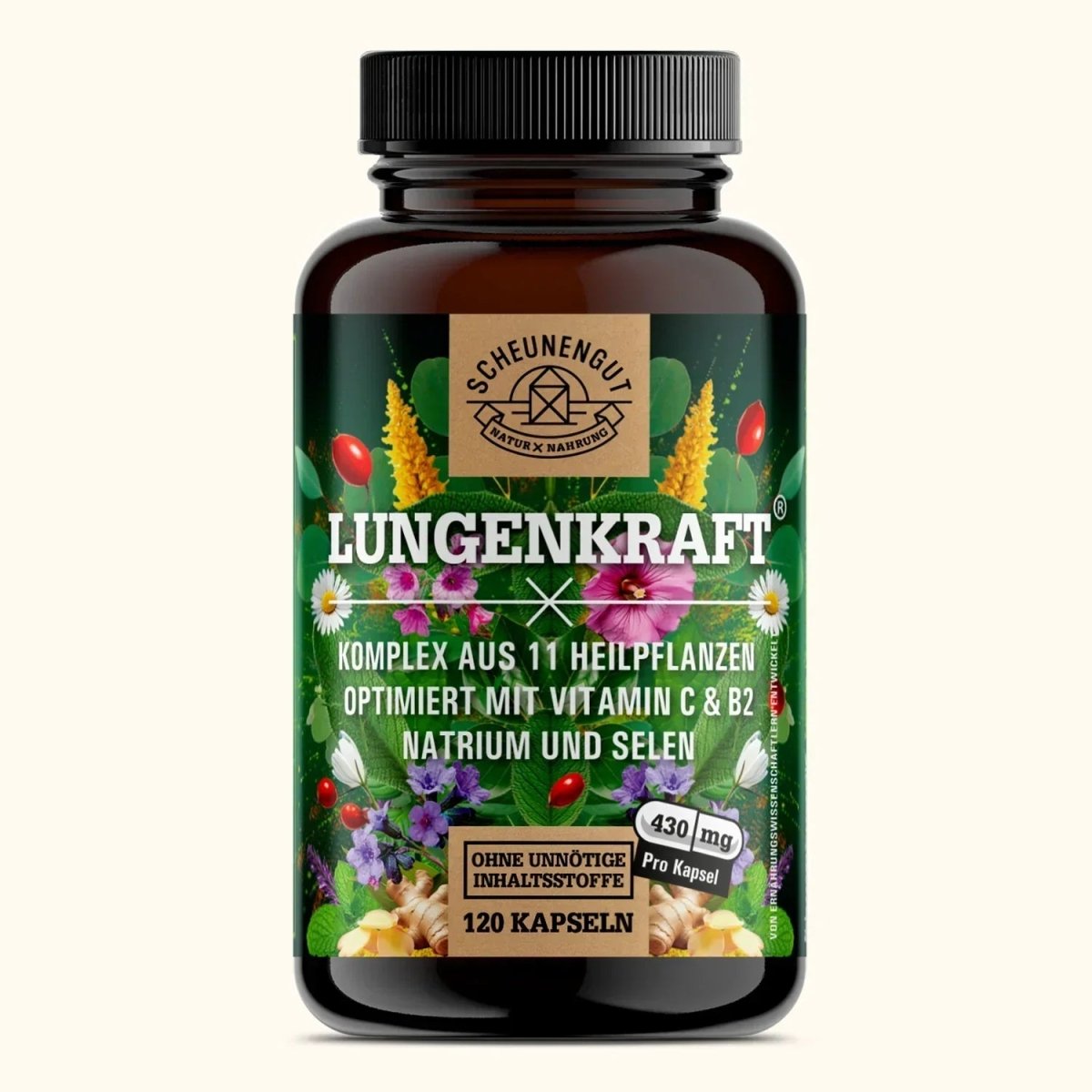

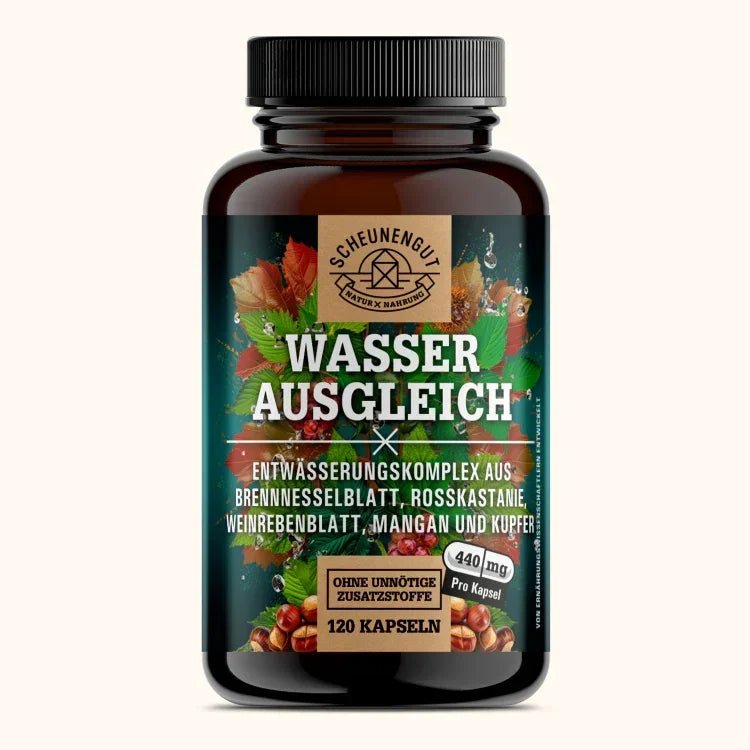
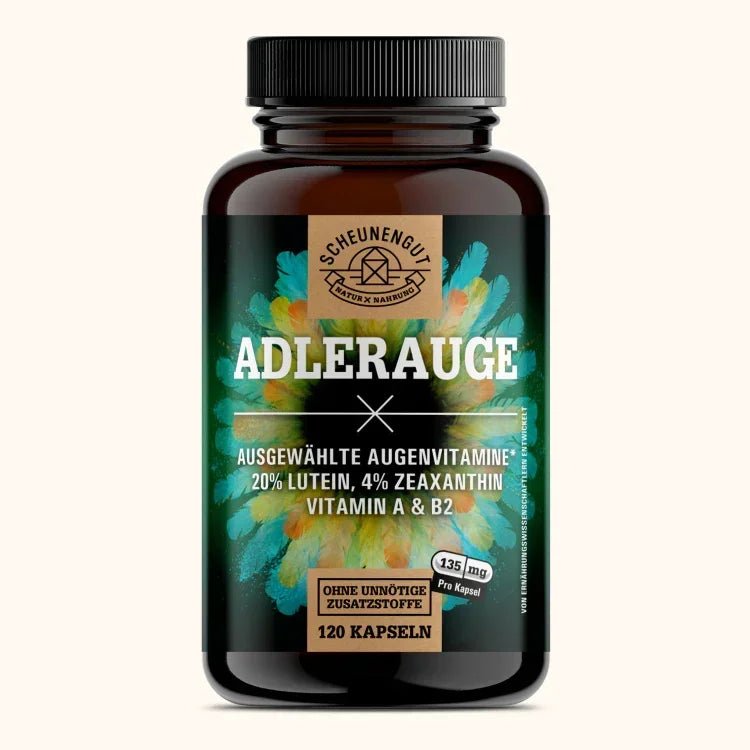
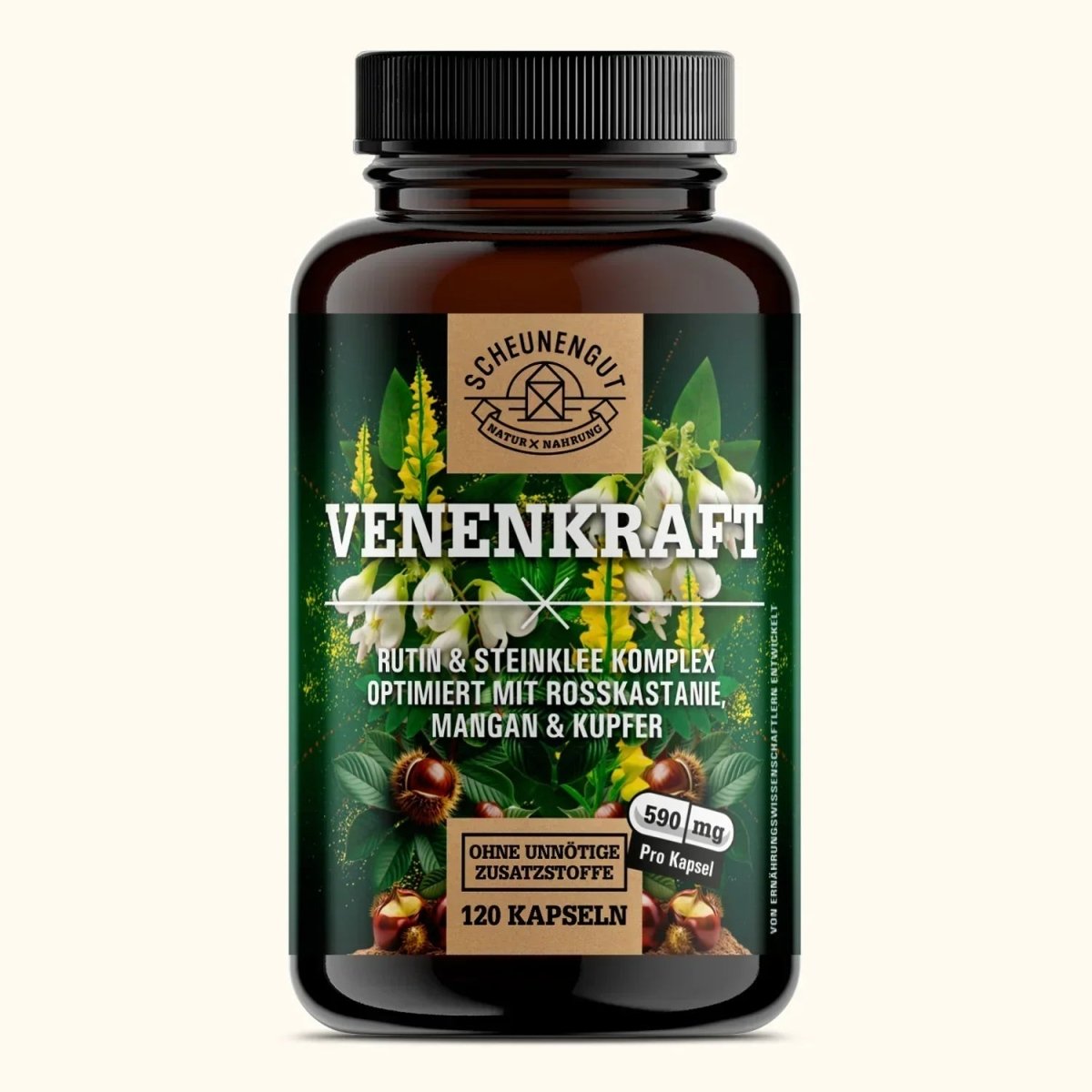
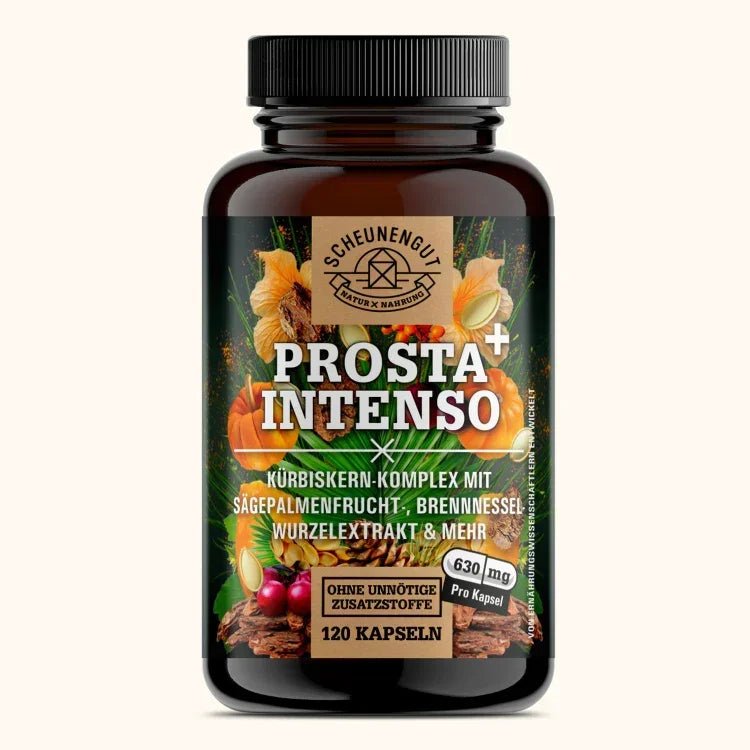
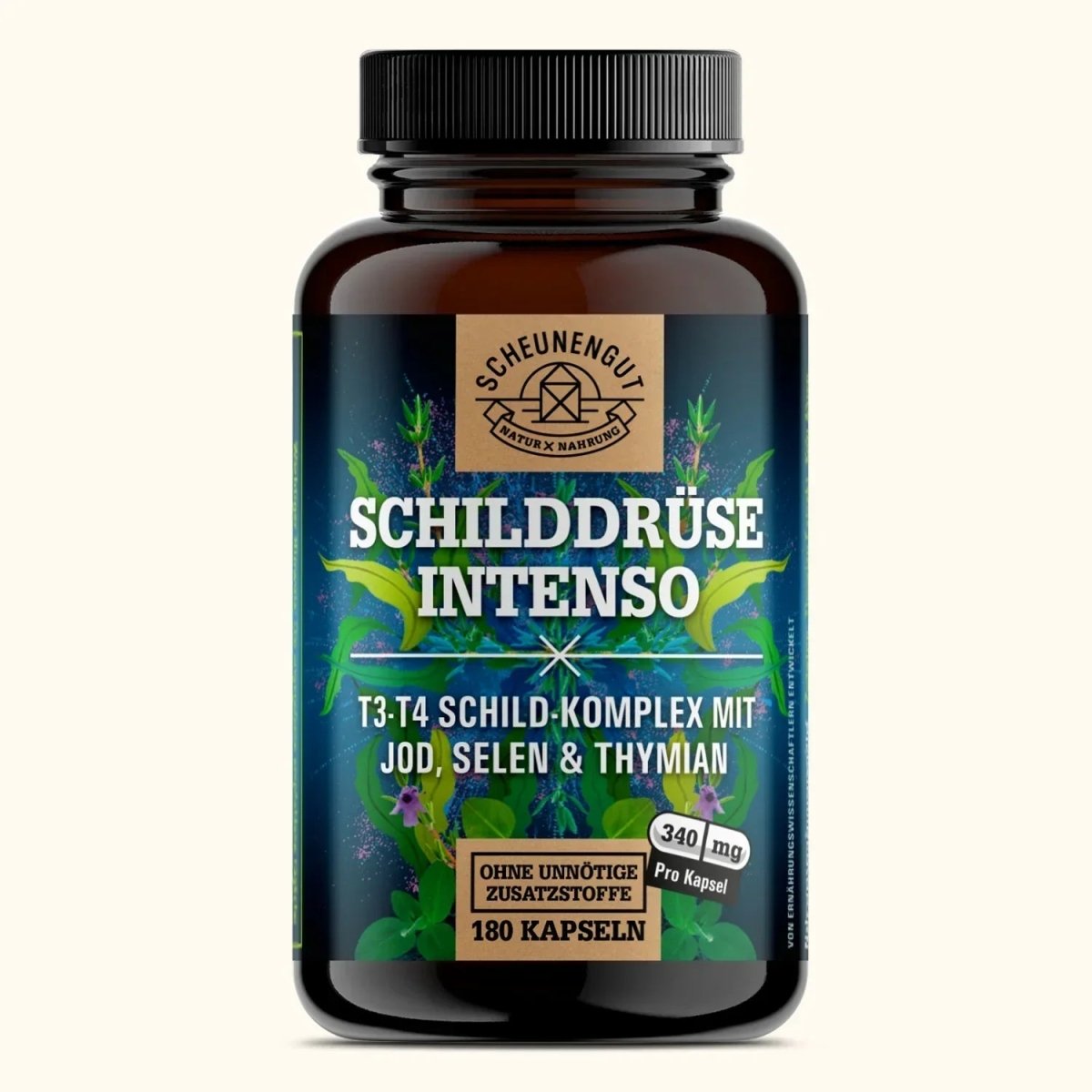
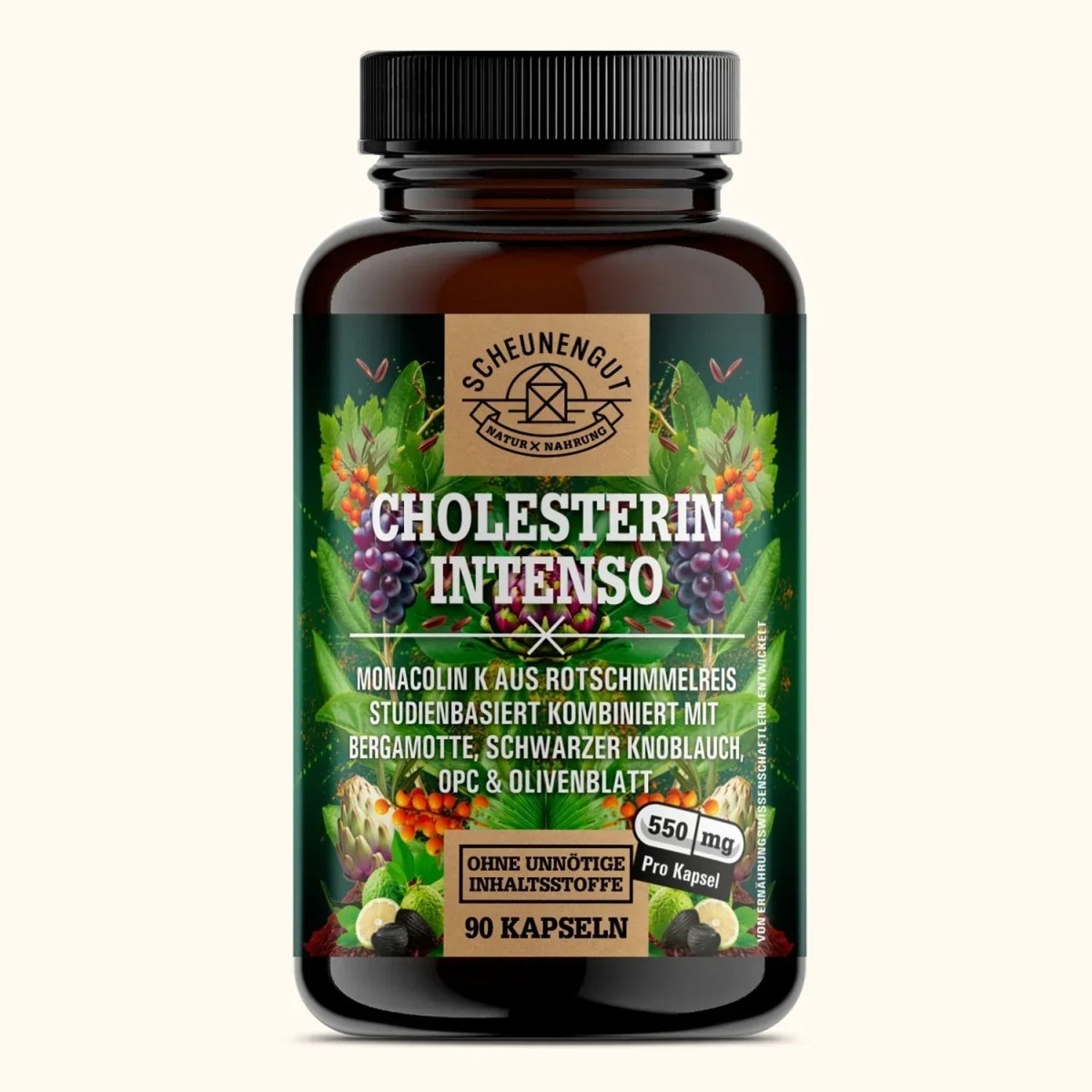
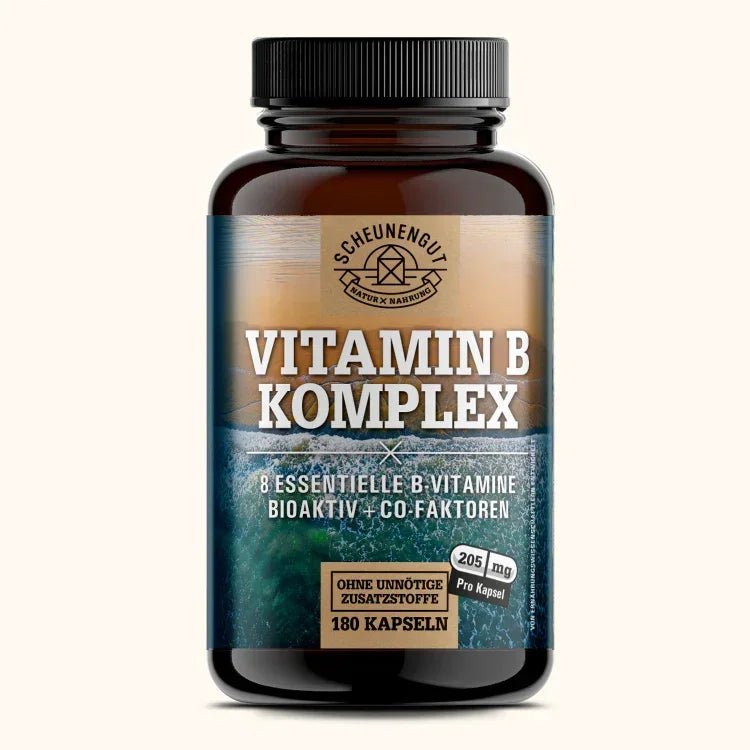
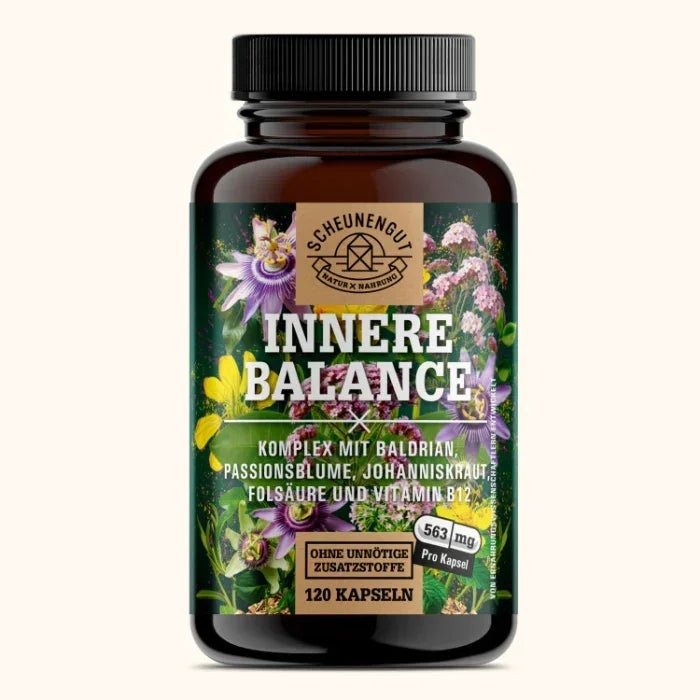
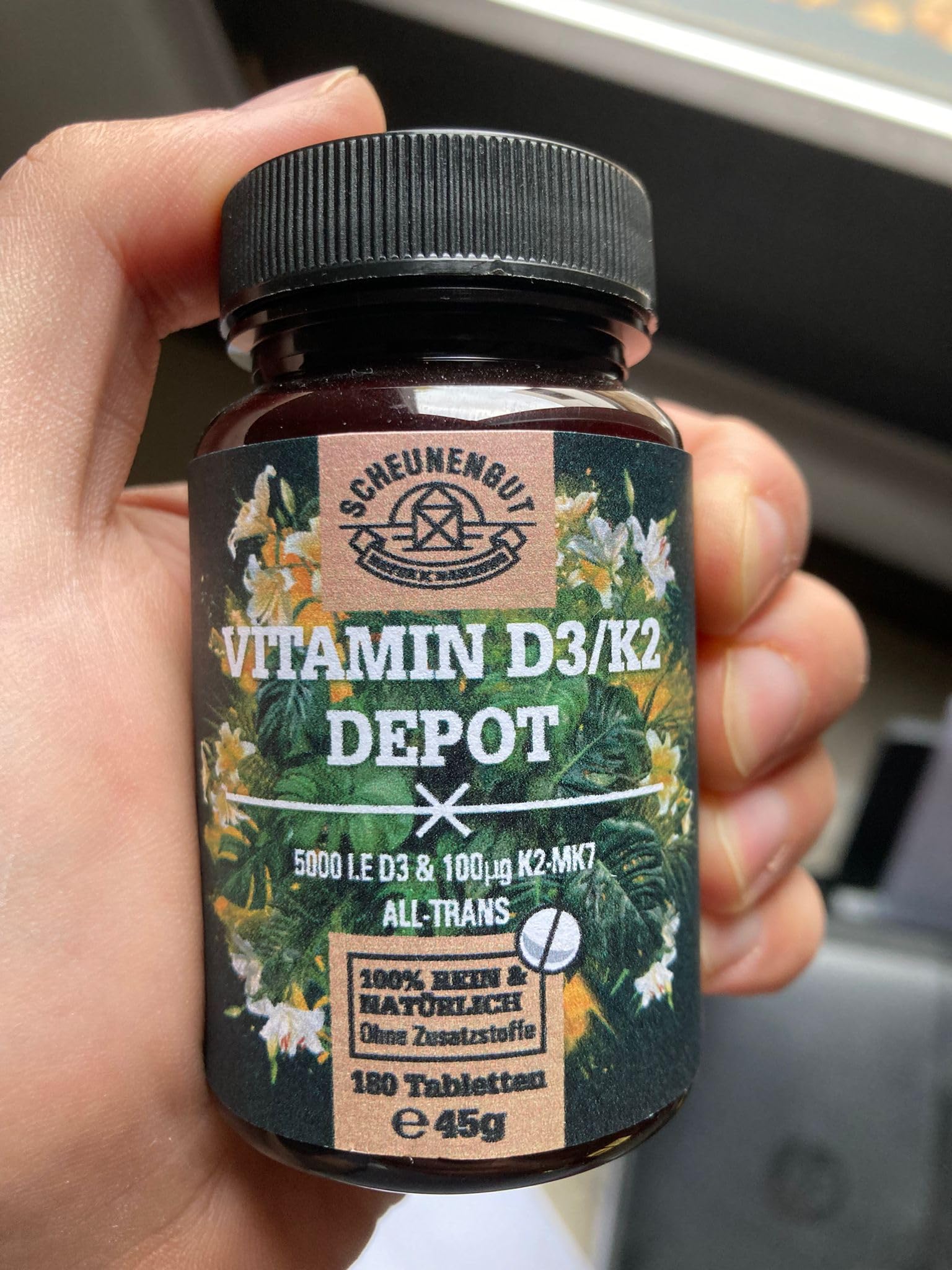





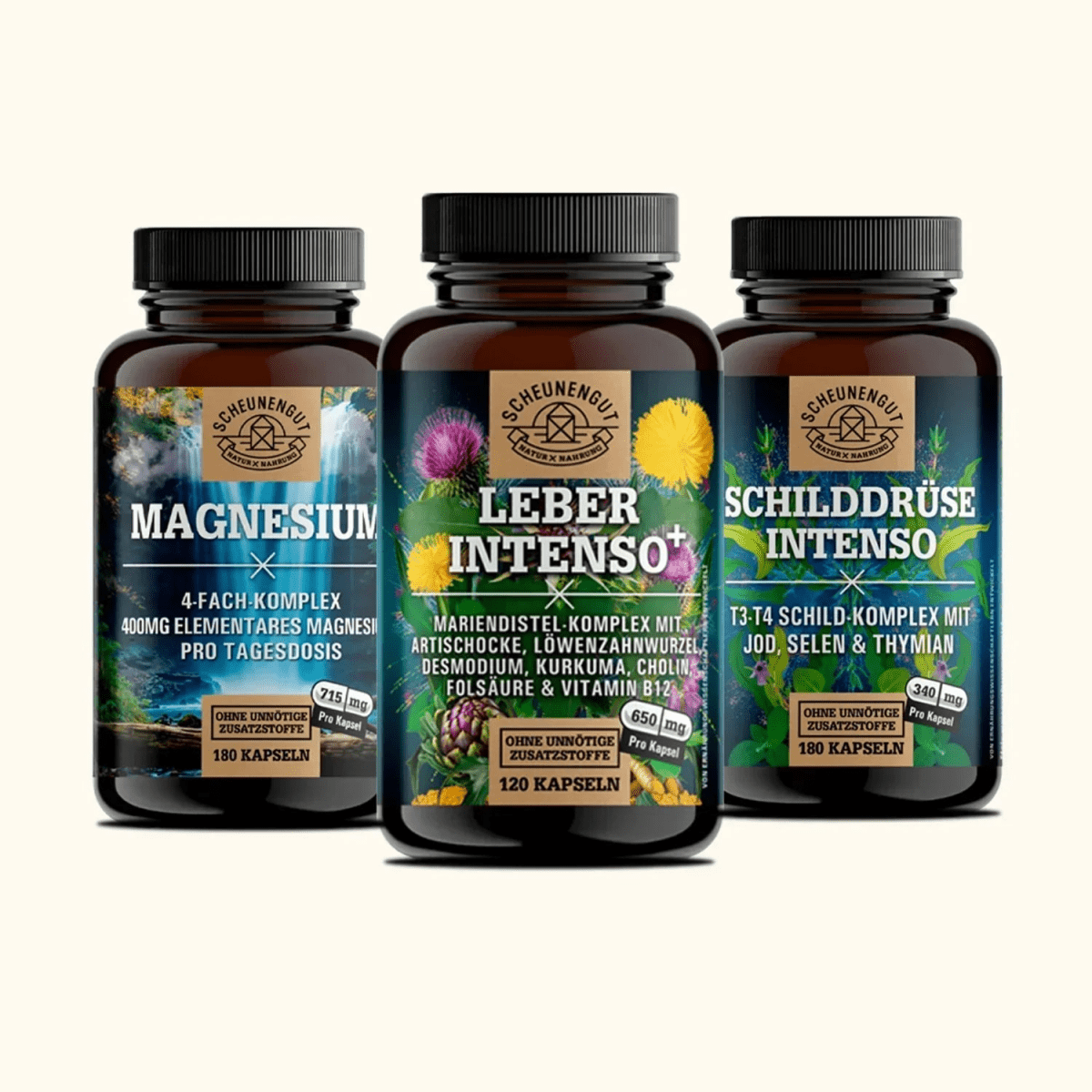

Buy Vitamins & Minerals – the Foundation of Nutrient Supply
Vitamins and minerals are essential micronutrients – compounds that the body absorbs from food in small amounts. Vitamins are organic molecules (such as the fat-soluble A, D, E, K and the water-soluble B vitamins as well as vitamin C), whereas minerals and trace elements are inorganic elements such as magnesium, calcium, iron or zinc. In this overarching category, you'll find the complete spectrum at Scheunengut – from individual nutrients to thoughtfully designed complexes, vegan and lab-tested.
Origin & Extraction
The raw materials come from different sources: vitamins are obtained by fermentation, from plants or synthetically reproduced, while minerals are provided as defined compounds such as citrates, bisglycinates or oxides. Trace elements such as selenium, chromium or copper are used in precisely measured amounts.
Standardisation & Format
What matters is the declared content per daily dose and the bioavailability of the chosen compound. Available as capsules, powders, tablets and drops – as a single-ingredient supplement or as a complex. Combinations that often make sense include Vitamin D with Vitamin C or several B vitamins in one blend.
What to Look for When Buying
- Transparently declared content per daily dose
- Origin and easily absorbable compounds of the minerals
- Vegan and without unnecessary additives
- Independently lab-tested purity
Vitamins & Minerals at Scheunengut
We rely on transparently declared raw materials and defined contents. Related are individual vitamins and the more finely broken-down trace elements. All products are bottled in Germany and lab-tested.
Häufige Fragen zu Vitamins | Minerals | Trace Elements
Why are vitamins and minerals so important?
They're essential micronutrients that form the foundation of good nutrition. Vitamins contribute to energy metabolism and to immune and nervous system function, for example, while minerals such as magnesium and calcium support normal muscle function and the maintenance of normal bones. Together, they keep numerous basic body functions running smoothly.
What's the difference between vitamins and minerals or trace elements?
Vitamins are organic molecules, such as the fat-soluble A, D, E, and K, and the water-soluble B vitamins and vitamin C. Minerals and trace elements, by contrast, are inorganic elements – such as magnesium, calcium, iron, zinc, or selenium. The body needs both groups only in small amounts, but must obtain them reliably through food.
What do terms like citrate or bisglycinate mean?
Minerals are provided as defined compounds – such as citrates, bisglycinates, or oxides. This form partly determines bioavailability, in other words, how well the body can absorb the nutrient. A transparent declaration of the compound and the elemental amount per daily serving is therefore an important quality marker, and one we place great value on at Scheunengut.
Are individual nutrients or complexes better?
Both have their place. Individual nutrients are ideal if you want to target a specific need. Thoughtfully designed complexes cover several complementary micronutrients at once and are practical for everyday use. In this category, you'll find the full Scheunengut range – vegan and lab-tested.
Related guides for Vitamins | Minerals | Trace Elements
Well-founded knowledge from our editorial team – free to read.