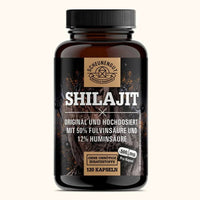
Red Panax ginseng is a centuries-old vital classic of traditional East Asian herbal knowledge. Scheunengut processes the slow-grown root into a concentrated extract with 1200 mg per daily dose, standardized to ginsenosides and complemented with piperine from black pepper, best taken in the first half of the day and made in Germany.
If there's one classic among vital plants, it's ginseng. The gnarled root has been valued in East Asia for many centuries and remains one of the best-known plants in traditional herbal knowledge worldwide to this day. Red Panax ginseng in particular, a specially prepared form of the root, has a legendary reputation. At Scheunengut, we've therefore given ginseng a prominent place in our range and processed it into a highly concentrated extract. In this spotlight, we take a look at what makes red ginseng special, how we prepare it, and who our capsules are suited for.
One reason for the fascination surrounding ginseng is the plant itself. Ginseng grows slowly, and a root takes several years before it's harvested. This slow growth, the characteristic, often human-like shape of the root, and centuries of use have given ginseng an almost mythical reputation. It's no wonder that it remains one of the most traded and studied medicinal plants in the world to this day and is rarely missing from any collection of traditional vital plants.
What Makes Red Ginseng Special
Panax ginseng, often also referred to as Korean or Asian ginseng, is the classic ginseng species of traditional use. The name Panax comes from Greek and roughly means "cure-all," which shows the significance the root historically held. Red ginseng is created when the root is steamed before drying. This process changes its color, and it's considered an especially prized variant in tradition.
The characteristic compounds in ginseng are the ginsenosides, which high-quality extracts are often standardized to. For ginseng as a plant, there are currently no conclusively authorized health-related EU claims. We therefore deliberately describe it through its botanical origin, its long traditional use, and its profile as a vital classic rather than health promises. What makes red ginseng special is precisely this combination of centuries of history of use and a clearly defined root extract.
It's important to distinguish ginseng from other plants that carry the name. So-called Siberian ginseng, for example, is botanically a completely different plant and doesn't belong to the genus Panax. When we talk about red ginseng, we mean genuine Panax ginseng, the classic species of traditional East Asian use. We place great value on this origin, because only genuine Panax carries the characteristic ginsenoside profile the root is known for.
What Makes Our Product Special
At the center is our Ginseng Capsules with Red Panax Extract, 1200 mg per Daily Dose, and Piperine. Here we rely on a concentrated extract rather than ground root powder, since an extract bundles the characteristic plant compounds into a defined amount. The 1200 mg per daily dose stands for a generous, clearly stated dosage. The formula additionally contains piperine from black pepper, which is traditionally added to support better absorption. Manufacturing takes place in Germany.
Anyone who wants to combine ginseng with other vital plants will also find it in our Maca Complex with Tribulus, Ginseng, Cordyceps, and L-Arginine. There, ginseng is part of a broader formula made up of several traditional classics. That way, you can decide for yourself whether you prefer the pure ginseng extract or a combination.
Why we rely on an extract rather than pure root powder at all is quickly explained. Ginseng root contains its characteristic plant compounds at a comparatively low concentration. To take in a relevant amount via ground powder, you'd have to swallow large quantities of capsules. A concentrated extract bundles the compounds so that a manageable number of capsules is enough. At the same time, an extract can be defined by its ginsenoside content, which ensures a consistent quality that you don't get with loose powder.
The combination with piperine deserves a closer look. Piperine is the characteristic pungent compound in black pepper and is deliberately added in many formulas because it's traditionally regarded as an absorption aid. Especially with concentrated plant extracts, this is a sensible building block so the valuable compounds don't go unused. In our Ginseng Capsules, piperine is therefore not a filler but a targeted addition. Anyone who wants to avoid the pepper component should, however, take a look at the full ingredient list before buying, so the product matches their own preferences.
Use & Dosage
It's best to take the Ginseng Capsules in the first half of the day with enough water, since ginseng ranks among the more stimulating vital classics and therefore fits well in the morning or late morning. Stick to the daily amount stated on the packaging and don't exceed it.
As is typical for botanical extracts, traditional use tends to unfold best with regular intake over a longer period. Many people use ginseng in the form of courses lasting several weeks. Make the capsules a fixed part of your morning routine and give your body time, rather than expecting short-term effects.
Some people traditionally use ginseng in cycles, taking it for several weeks, for example, and then pausing. Whether you follow this rhythm or build ginseng permanently into your routine is up to you, as long as you observe the stated amount. If you're sensitive to stimulating substances, ease in with the lower amount and observe how you tolerate taking it in the morning.
Who It's Suited For
The Ginseng Capsules are suited for adults who want to bring the vital classic steeped in tradition into their everyday life in concentrated form. They're a good choice for anyone who prefers a pure, clearly dosed root extract and values manufacturing in Germany. Anyone who'd rather have a combination of several vital plants is well served by the Maca Complex.
Because ginseng ranks among the stimulating classics, taking it late in the evening is less advisable. Also pay attention to the full ingredient list if you want to avoid particular components like piperine. The products are dietary supplements and do not replace a varied diet.
Whether the pure extract or the combination is the better choice depends mainly on your personal goal. Anyone who wants to try ginseng specifically and get to know its role in their own routine is well served by the pure extract, since it lets them keep an eye on exactly one variable. Anyone who instead is looking for a broader spectrum of traditional vital plants and doesn't want to put the plants together individually should reach for the Maca Complex, where ginseng is part of a larger ensemble.
One final thought on quality: with ginseng, it's worth taking a close look at origin and standardization. Many cheap products on the market say nothing about their ginsenoside content, leaving it unclear how much of the characteristic plant compounds is actually contained. We deliberately rely on a defined, standardized extract and manufacturing in Germany, so you can trace what you're getting. Especially with a classic as steeped in tradition as ginseng, this transparency is, in our view, essential if you want to rely on a product long term.
Frequently Asked Questions (FAQ)
What is red Panax ginseng?
Red ginseng is created when the root of Panax ginseng is steamed before drying. This changes its color. In traditional use, red ginseng is considered an especially prized variant.
What does a 10:1 extract mean?
An extract ratio like 10:1 means the root was concentrated so that a smaller amount of extract contains the characteristic plant compounds in bundled form. You'll find details on the product page. A higher ratio doesn't automatically mean better, what matters is the actual amount of characteristic plant compounds delivered and clean standardization.
When is the best time to take ginseng?
Best in the first half of the day, since ginseng ranks among the more stimulating vital classics. Stick to the stated daily amount and avoid taking it late in the evening.
What is the piperine in the formula for?
Piperine comes from black pepper and is traditionally added to support absorption. Anyone who wants to avoid it should check the ingredient list before buying.
Pure or as a complex, which is better?
That depends on your goal. The Ginseng Capsules offer the pure, clearly dosed extract, while the Maca Complex combines ginseng with other vital plants. Both are dietary supplements and do not replace a varied diet. If you're unsure, start with the pure extract to get to know ginseng on its own first, and add other vital plants later if needed.
If you have existing health conditions, are pregnant or breastfeeding, or are taking medication, please talk to your doctor before use.
Health notice: This guide is for general information purposes only and does not replace individual medical or pharmaceutical advice. Food supplements are not a substitute for a balanced, varied diet and a healthy lifestyle. If you have health concerns, are pregnant or breastfeeding, or are taking medication, please consult a doctor or pharmacist. How our guides are created →
Sources
- Panax Ginseng: Botanik und traditionelle Nutzung — PharmaWiki, 2023
- Ginseng: Pflanzenporträt — Arbeitskreis für Wildpflanzen und Heilkräuter, 2023
- EU-Register gesundheitsbezogener Angaben (Health Claims) — Europäische Kommission, 2024
- Pflanzliche Stoffe in Nahrungsergänzungsmitteln — Bundesinstitut für Risikobewertung, 2023