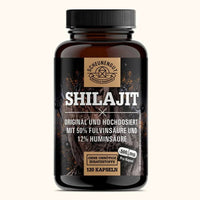
For the bladder and urinary tract, adequate fluid intake matters most. Nutrients like vitamin C and zinc contribute to the normal function of the immune system. D-mannose and cranberry are frequently discussed in connection with the urinary tract. Persistent or severe symptoms should always be evaluated by a doctor.
Few body systems work as inconspicuously as the urinary tract - until it speaks up. The bladder, ureters, and urethra transport liters of fluid every day, filter out metabolic waste, and maintain a delicate balance while doing so. But what role do diet and individual nutrients really play when it comes to the bladder and urinary tract? This guide sorts out what's established, what's discussed - and where the line to medical evaluation runs.
Why the Bladder and Urinary Tract Deserve Special Attention
The urinary tract is a flow-through system. That's exactly what makes it special: what gets flushed well tends not to linger. The bladder stores urine until it's emptied through the urethra - a process that depends equally on muscles, nerve control, and fluid balance. Women have an anatomically much shorter urethra than men, which is why irritation and infections of the lower urinary tract occur more often in women.
Diet and drinking habits are not a side issue here. Anyone who drinks too little over the day concentrates their urine and flushes less often - both unfavorable starting conditions. The most important "nutrient" for the urinary tract is therefore simply water. Water contributes to the maintenance of normal physical and cognitive functions when at least two liters are consumed daily. Sufficient fluid intake, spread evenly across the day, is the foundation everything else builds on.
Which Nutrients Are Discussed in Connection With the Urinary Tract
Many recommendations circulate around the bladder and urinary tract. It makes sense to separate two categories: nutrients with authorized, established functions in the body - and plant-based substances that play a role traditionally or in discussion, without an authorized health claim existing for them. Both have their place, but for different reasons.
Vitamin C
Vitamin C is the classic when it comes to immune defenses. The authorized wording is clear: vitamin C contributes to the normal function of the immune system. Good sources are bell peppers, berries, cabbage vegetables, and citrus fruits. Diet alone usually covers requirements well; anyone who eats little fresh fruit and vegetables can consider a supplement. Since vitamin C is water-soluble and isn't stored, regular intake throughout the day makes more sense than a single large portion.
Zinc
Zinc is also closely linked to immune defenses: zinc contributes to the normal function of the immune system. This trace element is found in meat, cheese, oats, nuts, and legumes. Since plant-based zinc is less bioavailable, people on a purely plant-based diet more often have a supply gap here. Anyone who generally tends toward infections will find further guidance in our guide on nutrients for frequent infections.
Magnesium
Emptying the bladder is a muscular process. Magnesium is involved in normal muscle function - the authorized claim reads: magnesium contributes to normal muscle function. That doesn't make magnesium a "bladder remedy," but it fits sensibly into a holistic view of muscle and nerve control. Whole grain products, nuts, legumes, and green vegetables are rich in magnesium.
D-Mannose
D-mannose is a simple sugar that's barely metabolized in the body and is largely excreted unchanged through urine. It's widely discussed in connection with the urinary tract as a result. Important context: no authorized EU health claim exists for D-mannose, and it's no substitute for medical treatment. We describe it here purely descriptively as a dietary supplement frequently mentioned in this context - claims about an effect on bladder infections would be impermissible and also not professionally sound.
Cranberry and Pumpkin Seed
Cranberry is one of the best-known plants in the context of the urinary tract and provides, among other things, polyphenols. Pumpkin seeds are traditionally associated with bladder function and the pelvic floor, and are also a good source of zinc and magnesium. Here too: both should be understood as food or dietary supplements, not as remedies. No authorized claims exist for specific health-related effects.
Who This Topic Is Especially Relevant For
Certain life situations bring the urinary tract more into focus. Women are more often affected by irritation of the lower urinary tract due to anatomy. Tissue changes after menopause, and during pregnancy, attention to everything related to the bladder and kidneys increases. Older adults often unknowingly drink too little, because the sensation of thirst declines - conscious counteraction is worthwhile here.
Everyday habits play a role too: sitting for long periods, cold, little movement, or a hectic day where bathroom trips keep getting postponed. Anyone in these groups benefits most from a stable drinking routine and a nutrient-rich, vegetable-forward diet. Especially after a strenuous day, it's worth consciously counteracting rather than ignoring the body's signals. Anyone troubled at night by muscle issues like restless legs will find complementary information in our guide on restless legs and nutrients.
Diet-Related or Medical? The Crucial Distinction
This is the most important section of this guide. A nutrient-rich diet and enough fluid are building blocks of a healthy lifestyle - but no more than that. They don't replace a diagnosis or treatment.
With signs like burning during urination, constant urge to urinate, blood in the urine, pain in the lower abdomen, flank or back pain, fever, or suddenly severe symptoms, the cause needs medical evaluation. Urinary tract infections are a medical matter, not a question of the right supplement. This applies especially during pregnancy, in children, with recurring symptoms, and when symptoms worsen quickly. Nutrients can support everyday life - they don't replace evaluation of acute or persistent symptoms.
Intake, Everyday Life, and Quality
The biggest lever costs nothing: drink evenly. Rather than two large amounts, spread it across the day so urine stays light and is flushed regularly. Water and unsweetened herbal teas are ideal; heavily sugared drinks don't help much. Anyone who does a lot of sport, sweats heavily in summer, or drinks a lot of coffee should adjust their intake accordingly.
With nutrients, the rule is: food first, then - if needed - supplement in a targeted way. A colorful diet rich in vegetables and berries covers vitamin C, many minerals, and secondary plant compounds well. Dietary supplements make sense when diet has gaps or there's an increased need. Pay attention to the recommended daily dose on the packaging and don't exceed it without professional advice.
For quality, it's worth looking at the details: clearly declared amounts, well-absorbed compounds, few unnecessary additives, and traceable origin. Lab-tested purity is a sensible criterion especially for plant-based extracts, since raw materials can vary a lot depending on cultivation and processing. A supplement that transparently shows what's in it and how much is preferable to one with vague "complex" claims. If you're unsure whether and what to supplement, it's best to discuss it with a doctor or pharmacist - especially with existing conditions or when already taking medication.
Honestly Assessed: What's Established and What Isn't
Established and backed by authorized claims is the role of individual nutrients for general body functions: vitamin C and zinc for the immune system, magnesium for muscles, water for maintaining normal physical functions. Equally undisputed is the value of sufficient fluid intake for a well-flushed urinary tract.
Not considered an established healing effect, on the other hand, are the many health-related promises around D-mannose, cranberry, or pumpkin seed. These substances are discussed and traditionally used, but they're food or dietary supplements - not a substitute for a diagnosis. Keeping that in mind leads to realistic decisions: diet and drinking as a solid foundation, medical evaluation for real symptoms. You'll find related nutrition topics in our guide on nutrients for the bladder and urinary tract as well as nutrients and heartburn.
Frequently Asked Questions (FAQ)
Which nutrients are important for the bladder and urinary tract?
First and foremost is sufficient fluid intake, since a well-flushed urinary tract is the foundation. Vitamin C and zinc contribute to the normal function of the immune system, magnesium to normal muscle function. Plant substances like cranberry, D-mannose, and pumpkin seed are also discussed, but should be understood as food, not as remedies.
How much should I drink for a healthy urinary tract?
As a guideline, at least two liters of fluid daily, unless a doctor recommends a different amount. Water contributes to the maintenance of normal physical and cognitive functions. Spread the amount evenly across the day so urine stays light. Drink more with heavy sweating, sport, or heat.
Does cranberry or D-mannose help with bladder infections?
Cranberry and D-mannose are frequently mentioned in connection with the urinary tract, but no authorized health-related claims exist for them. They're dietary supplements, not a substitute for medical treatment. A bladder infection or urinary tract infection always needs medical evaluation and treatment.
Can I cover my needs through diet?
In many cases, yes. A colorful diet rich in vegetables and berries provides vitamin C, zinc, magnesium, and secondary plant compounds in good amounts. Supplementation is especially useful when the diet is one-sided, certain food groups are missing, or there's an increased need.
When should I see a doctor?
You should seek medical advice for burning during urination, frequent urge to urinate, blood in the urine, pain in the lower abdomen or back, fever, and for suddenly severe or persistent symptoms. This applies especially during pregnancy, in children, and with recurring symptoms. Nutrients don't replace evaluation.
Health notice: This guide is for general information purposes only and does not replace individual medical or pharmaceutical advice. Food supplements are not a substitute for a balanced, varied diet and a healthy lifestyle. If you have health concerns, are pregnant or breastfeeding, or are taking medication, please consult a doctor or pharmacist. How our guides are created →
Sources
- Selected Questions and Answers on Water and Beverages — German Nutrition Society (DGE), 2024
- EU Register on nutrition and health claims — European Commission, 2024
- Urinary Tract Infections: Causes, Symptoms, and Treatment — Verbraucherzentrale / gesund.bund.de, 2024
- Zinc – Fact Sheet for Consumers — National Institutes of Health, Office of Dietary Supplements (NIH ODS), 2022