



Yes, magnesium and vitamin C can be taken together. No interaction is known. The only limit is set by the gut: too much of both at once loosens the stool. In practice, that means vitamin C in portions of 200 to 250 milligrams, magnesium with breakfast or in the evening, and larger amounts split up.
Yes, you can take magnesium and vitamin C together, with the same meal and the same glass of water. No interaction between the two is known. They can only collide in one place: the gut. In higher amounts both loosen the stool, and that is where the one real limit lies.
It gets more interesting with the variations many people search for: with iron, with zinc, with vitamin D, in the evening rather than the morning.
Where the two actually meet: in the gut
Vitamin C is a water-soluble vitamin, magnesium a mineral. In the body they do entirely different jobs, and no absorption route is known on which they compete for the same spot. That sets them apart from iron and zinc, where people argue about spacing.
The gut doesn’t care much about that. It reacts to the amount. With magnesium from supplements, a loose stool up to diarrhoea is the first signal; with larger amounts of vitamin C, digestive complaints join in. The German Federal Institute for Risk Assessment (BfR) describes both in its papers on the two substances. The everyday route is simple: split the amount into two portions and take them with meals.
If you take both in usual capsule amounts with meals, you will mostly notice nothing. The sum only turns critical when a gram of vitamin C powder joins a high-dose magnesium, all at once and on an empty stomach. Then a loose stool is no surprise. It is the warning sign: cut the amount or split it into two times of day.
Vitamin C isn’t made to arrive all at once
This is the real lever, and it has nothing to do with magnesium. The body absorbs a single dose of 200 milligrams of vitamin C completely. From 500 milligrams at once, the share absorbed drops and the rest is excreted. A gram-sized dose in the morning is expensive and gets you less than the number on the pack promises.
It works better in smaller portions: 200 to 250 milligrams with breakfast and, if you like, a second portion in the afternoon.
Magnesium ascorbate: one powder, two nutrients
Some vitamin C products consist of ascorbic acid bound to magnesium. That is buffered vitamin C, called magnesium ascorbate. The acid tastes milder then, and many people tolerate it better. Why the buffered form adds no extra effect is explained in the guide “Ascorbic acid or buffered vitamin C”.
One thing matters for you: the magnesium in the ascorbate goes on your daily tally. If you take magnesium ascorbate and a magnesium complex on top, the two add up. The back of the pack has to state the amount of elemental magnesium. If the figure is missing, you can’t do the sum.
Two nutrients, two jobs in the body
Magnesium contributes to normal muscle function and to the normal functioning of the nervous system. Magnesium contributes to normal energy-yielding metabolism, to normal psychological function and to the reduction of tiredness and fatigue.
Vitamin C contributes to the normal function of the immune system. Vitamin C contributes to the protection of cells from oxidative stress. It also contributes to normal energy-yielding metabolism, to normal psychological function and likewise to the reduction of tiredness and fatigue. And vitamin C increases iron absorption.
Spot the overlap in energy metabolism and tiredness? It doesn’t add up to double the effect; the body doesn’t count that way. The two work on different parts of the same gearbox.
With iron, zinc or vitamin D: how to sort three and four supplements
Iron. This is where the plan pays off most. Vitamin C increases iron absorption. So the iron supplement goes on the breakfast table with vitamin C. Our Iron Bisglycinate with Natural Vitamin C from rosehip puts both into one formula, namely the iron as a well-tolerated bisglycinate and the vitamin C right next to it in the same tablet, so you don’t have to sort two tubs or remember a glass of orange juice in the morning. You add iron when a need has been established. Magnesium stays out. Whether iron and magnesium interfere measurably when taken together is not well established for supplements. To be safe, we sort it like this: iron with vitamin C in the morning, magnesium in the evening.
Zinc. Put zinc with lunch. On an empty stomach it upsets some people. For zinc in usual capsule amounts, we know of no study showing a notable inhibition of magnesium. The guide “Taking zinc and magnesium together” goes into the amounts in more detail.
Vitamin D. Vitamin D is fat-soluble and belongs with a meal that has some fat in it, such as lunch or dinner. That vitamin C or magnesium get in the way is not known. So you can put vitamin D with the evening magnesium. Our Vitamin D3 Depot with K2Pure® makes that convenient, because 5,000 IU of vitamin D3 and 100 µg of vitamin K2 (MK-7) sit in a single tablet that you take only every 5th day, for example with dinner next to the magnesium. It is no more effort than that.
How to spread it all across your day
The simple version, just two supplements: both with breakfast or both with dinner. Pick the time you won’t forget. No guideline prescribes a fixed time of day.
The tidy version, three to four supplements: vitamin C with breakfast (and iron, if you take it). Zinc with lunch. Magnesium and vitamin D after dinner. That keeps each portion small, nothing competes, and the routine hangs on meals you eat anyway.
Shift work? The same applies, just around your meals. Breakfast is the first meal after you get up, whatever the clock says.
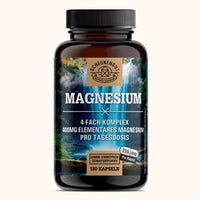
With magnesium, start with one capsule if you don’t know it yet. The Magnesium Complex delivers 400 milligrams of elemental magnesium in two capsules, one with breakfast and one after dinner, so that each portion stays small and the gut stays calm. 107 per cent of the nutrient reference value, high-dose, mixed from four forms. If your stool turns soft, reduce the amount until it firms up again.
When to check first
With kidney disease, a history of kidney stones or long-term medication, talk magnesium and higher amounts of vitamin C through with your doctor’s practice or pharmacy first. It costs you a short conversation.
What to look for when buying: four lines on the label
First, the figure after “elemental magnesium”. The weight of the compound, such as citrate or bisglycinate, is always higher than the magnesium in it. Second, the form of magnesium: bisglycinate is considered particularly gentle on the stomach, citrate acts as a laxative in high amounts, and oxide holds a lot of magnesium per capsule but dissolves less well on its own. Our Magnesium Complex therefore mixes four forms (citrate, malate, bisglycinate, oxide) so that they complement each other, and states the amount openly: 400 milligrams of elemental magnesium per daily dose. Third, the amount of vitamin C per daily dose. From 500 milligrams at once the share absorbed drops, so smaller portions serve you better. Fourth, the ingredients list: the shorter it is after the active ingredient, the better.
Then there is a point that appears on no comparison site: the total. Vitamin C is found in immune complexes, in iron supplements, in joint formulas and in some plant extracts. Magnesium is found in sleep, electrolyte and sports complexes. Add up the labels before you take on another supplement. Comparison lists mostly sort by price per capsule and star rating, although amount, form and purity decide. At Scheunengut, every product page carries the lab report of the current batch.
Matching Products from Scheunengut
We don’t carry a standalone vitamin C supplement. In our range, vitamin C sits where it has a job: in the Iron Bisglycinate with Natural Vitamin C. The iron comes as bisglycinate, organically bound to glycine, and the vitamin C comes from rosehip. Vitamin C increases iron absorption. Iron contributes to normal formation of red blood cells and haemoglobin. Vegan. Made in Germany.
With magnesium you have two routes. The Magnesium Complex combines four magnesium sources and delivers 400 mg of elemental magnesium per daily dose, two capsules, which is 107 per cent of the nutrient reference value. High-dose, openly declared. You split it between breakfast and evening. The Magnesium Bisglycinate is chelated, vegan and gentle on the stomach: 360 mg of elemental magnesium a day from three capsules, with meals. The choice for a sensitive stomach.
For vitamin D there is the Vitamin D3 Depot with K2Pure®: 5,000 IU of vitamin D3 and 100 µg of vitamin K2 as MK-7 in one vegan tablet that you take only every 5th day. A tub of 180 tablets therefore lasts 900 days. Vitamin D contributes to the maintenance of normal bones. Vitamin K also contributes to the maintenance of normal bones. The high-dose depot isn’t suitable for pregnant or breastfeeding women, children or adolescents.
Scheunengut has been around since 2012, without investors in the background, with a focus on pure raw-material quality. Every batch goes to an independent laboratory. You will find the current report on the product page.
Frequently Asked Questions (FAQ)
Can you take magnesium and vitamin C together?
Yes. No interaction between the two is known, so you can take them with the same meal. The only place where they add up is the gut: too much of both at once loosens the stool. If the amounts are large, split them across two times of day.
Can you take magnesium and vitamin C together in the evening?
Yes, that works too. Many people take magnesium after dinner anyway, and vitamin C simply joins it. If vitamin C powder burns in your stomach in the evening, take the vitamin C with breakfast or switch to a buffered form.
Can I take magnesium, zinc and vitamin C together?
Yes, in usual capsule amounts. In practice you put vitamin C with breakfast, zinc with lunch and magnesium after dinner. That keeps each portion small and the gut calm. Add up the labels to see how much zinc you reach in a day.
Can I take iron, vitamin C and magnesium together?
Vitamin C increases iron absorption, so you take an iron supplement with vitamin C. To be safe, put magnesium on a different meal, for example in the evening. Whether iron and magnesium interfere measurably when taken together is not well established.
Can you take vitamin C, vitamin D and magnesium together?
Yes. That the three get in each other’s way is not known. Vitamin D is best taken with a meal that has some fat in it, vitamin C with breakfast and magnesium in the evening. You can also take all three with one meal if that makes your day easier.
Is magnesium harder to tolerate together with vitamin C?
Only in high amounts. Magnesium from supplements and larger amounts of vitamin C can each loosen the stool on their own, and together they can reinforce that. If you notice a soft stool, lower the amount or split it between breakfast and evening.
How much magnesium and vitamin C per day make sense?
For adults, the reference values are 300 mg of magnesium (women) and 350 mg (men), plus 95 mg of vitamin C (women) and 110 mg (men), each from diet and supplements combined. If you supplement, split larger amounts of magnesium between breakfast and evening and cut back as soon as the stool turns soft.
Health notice: This guide is for general information purposes only and does not replace individual medical or pharmaceutical advice. Food supplements are not a substitute for a balanced, varied diet and a healthy lifestyle. If you have health concerns, are pregnant or breastfeeding, or are taking medication, please consult a doctor or pharmacist. How our guides are created →
Sources
- Proposed maximum levels for magnesium in foods, including food supplements — Federal Institute for Risk Assessment (BfR), 2021
- Proposed maximum levels for vitamin C in foods, including food supplements — Federal Institute for Risk Assessment (BfR), 2021
- Vitamin C pharmacokinetics in healthy volunteers: evidence for a recommended dietary allowance — Levine M et al., Proc Natl Acad Sci U S A, 1996
- Vitamin C – Reference values — German Nutrition Society (DGE), 2015
- Magnesium – Reference values — German Nutrition Society (DGE), 2021