



With histamine intolerance, the body breaks down histamine less efficiently. A fresh, low-histamine diet matters most. Nutrients like vitamin C, vitamin B6, and copper are involved in the relevant metabolism, and DAO supplements can support it. However, they don't replace a medical evaluation of the underlying symptoms.
A glass of red wine, a piece of aged cheese, a handful of walnuts - and shortly after, pressure in the head, flushed skin, or an uneasy stomach. Anyone who suspects a histamine intolerance thinks first about what to avoid: what's still safe to eat? At least as interesting, though, is the other question - which nutrients matter in everyday life when the body struggles to break down histamine. That's exactly what this article covers: factually, concretely, and without false promises.
What's Behind Histamine Intolerance
Histamine is a natural messenger substance found in many foods and also produced by the body itself. Normally, excess histamine is broken down quickly - mainly in the gut by the enzyme diamine oxidase (DAO), and additionally by histamine N-methyltransferase (HNMT) inside cells. In what's called histamine intolerance, this balance is disrupted: more histamine enters the body than can be broken down. For that reason, professionals more precisely speak of a histamine intolerance rather than a true allergy.
Important up front: diagnosis belongs in medical hands. Symptoms like persistent digestive trouble, headaches, or skin reactions can have many causes. Before cutting out foods or turning to supplements, a medical work-up should come first - ideally accompanied by nutritional therapy guidance that keeps an eye on your individual diet.
Why the balance tips varies from person to person. Sometimes the amount of histamine-rich food plays the main role, sometimes factors like intestinal conditions, certain medications, or alcohol also slow the breakdown further. So-called histamine liberators - foods that can trigger histamine release in the body - are discussed as well. This interplay explains why tolerance often fluctuates, and why the same dish can cause problems one time and not the next.
Which Nutrients Play a Role in Histamine Breakdown
Histamine breakdown is a biochemical process in which several micronutrients act as building blocks or cofactors. That doesn't mean a single supplement "fixes" an intolerance - but good nutrient supply is the foundation on which metabolism works in the first place. Think of it like a workshop: the enzyme is the mechanic, the cofactors are its tools. Without tools, the work stalls - even if the mechanic is fundamentally there.
Vitamin C
Vitamin C is one of the most discussed nutrients in this context. Under the official EU framework: vitamin C contributes to normal energy-yielding metabolism and vitamin C contributes to the normal function of the immune system. Bell peppers, broccoli, potatoes, and berries are rich in vitamin C, and many of them count among the well-tolerated, low-histamine options. If your diet falls short, there is a practical way to cover it: our Iron Bisglycinate with Natural Vitamin C from rosehip provides 40 mg of vitamin C and 20 mg of iron per tablet, once a day with a meal. One more authorized claim fits here: vitamin C increases iron absorption. Iron belongs in the plan only when needed. Whether a supplement makes sense for you is a question for your doctor.
Vitamin B6
Vitamin B6 (pyridoxine) is a cofactor of diamine oxidase. Without enough B6, the enzyme works less effectively. Authorized claims include: vitamin B6 contributes to normal protein and glycogen metabolism, vitamin B6 contributes to the normal function of the nervous system, and vitamin B6 contributes to the regulation of hormonal activity. Good sources are potatoes, bananas, and poultry. As a supplement, our Vitamin B Complex fits: all eight B vitamins in bioactive form, including 9 mg of vitamin B6, plus myo-inositol, betaine, and choline. One capsule in the morning, and 180 capsules last 180 days. What counts is the daily dose on the label. More does not do more.
Copper
Copper is also one of the DAO cofactors. Authorized claims include: copper contributes to normal energy-yielding metabolism and copper contributes to the normal function of the immune system. Requirements are low. A varied diet usually covers them. Targeted supplementation does not belong in everyday life on a hunch, but only after consulting a doctor.
Vitamin B12, Magnesium, and Zinc
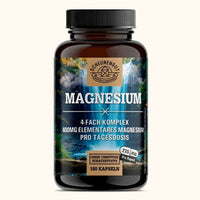
Anyone eating a low-histamine diet often cuts out entire food groups and risks gaps in other nutrients as a result. Three of them are worth a look. Vitamin B12 contributes to the reduction of tiredness and fatigue, and the Vitamin B Complex contains 51 µg of it. Magnesium contributes to the normal function of the nervous system: our Magnesium Complex combines four magnesium sources and delivers 400 mg of elemental magnesium in two capsules, and 180 capsules last 90 days. If you prefer a single, stomach-friendly form, magnesium bisglycinate provides 360 mg in three capsules. And zinc contributes to the normal function of the immune system. These nutrients are not directly tied to histamine breakdown. They are, however, part of a solid baseline supply that can quickly wobble under a restricted diet.
DAO Enzyme as a Supplement
Besides vitamins and minerals, there are supplements containing diamine oxidase itself, usually derived from animal kidney tissue. They're taken before histamine-rich meals with the idea of supporting breakdown in the gut. This is a dietary supplement, not a medication - and the evidence base is limited. Anyone who wants to try it is best off discussing it with their treating practice rather than using it long-term on their own.
Who This Topic Is Especially Relevant For
Histamine intolerance occurs more frequently in middle adulthood, more often in women. Particular caution applies during sensitive life stages: during pregnancy and breastfeeding, no supplementation should be started without medical guidance, since requirements shift and some things aren't advisable - this applies around the time of birth just as much as generally. How much nutritional needs differ between life stages is clear from topics like nutrients during postpartum recovery or the special requirements around nutrients for toddlers. Children and teenagers also have their own needs - a look at nutrients during puberty makes clear why blanket recommendations rarely fit. And in high-strain phases, such as covered in nutrients for students during exam season, an already restricted diet can quickly hit its limits.
Intake, Everyday Life, and Quality
The most effective lever for histamine intolerance is usually not a pill but the shopping list: fresh, minimally aged foods, short storage times, and gentle preparation lower the histamine load most reliably. Supplementation builds on a well-thought-out diet, as the name says.
When supplements are used, it's worth looking at the details. Taking them alongside a meal, as indicated for the specific product, makes sense. For quality, what counts is traceable origin, clean formulas without unnecessary additives, and independent lab testing for purity. With histamine intolerance in particular, composition is also decisive: some fillers, colorings, or preservatives are tolerated less well by sensitive people, which is why simple, clearly labeled products have an advantage. Our Magnesium Complex and our Vitamin B Complex come in vegan capsule shells, are free of additives, colorings, and fillers, and are made in Germany. Every batch goes to an independent lab. That applies to everything we offer.
A practical everyday tip: anyone noticing symptoms is best off keeping a simple food and symptom diary for a few weeks. This makes patterns visible - which foods, which portion sizes, which times of day - and gives the treating practice or nutrition counseling a solid basis to work from, instead of cutting things out purely by feel. It often turns out that the problem isn't one single "forbidden" food, but the sum of quantity, ripeness, and how the day is going overall. On this basis, it's much easier to decide specifically whether and where supplementation even makes sense.
Matching Products from Scheunengut
Three products from our range fit the nutrients above. The Vitamin B Complex brings all eight B vitamins in bioactive form, plus myo-inositol, betaine, and choline: 9 mg of vitamin B6, 51 µg of vitamin B12, and 400 µg of folate in one capsule in the morning, and 180 capsules last 180 days. The Magnesium Complex combines four magnesium sources for 400 mg of elemental magnesium in two capsules a day, and the pack of 180 capsules lasts 90 days. The Iron Bisglycinate + Vitamin C contains 20 mg of iron and 40 mg of natural vitamin C per tablet, once a day with a meal, with 240 tablets per pack. Magnesium bisglycinate is also available as a single chelated form: 360 mg in three capsules, and 240 capsules last 80 days.
These amounts come with authorized claims in their exact wording: vitamin B6 contributes to the regulation of hormonal activity, vitamin B12 contributes to the reduction of tiredness and fatigue, magnesium contributes to the normal function of the nervous system, iron contributes to the normal function of the immune system, and vitamin C increases iron absorption.
Scheunengut has existed since 2012, without investors, with a focus on pure raw-material quality. Every batch is tested in an independent lab. Whether and which product fits your situation depends on your status and medical advice, and the serving size on the product applies.
Honestly Assessed: What's Established and What Isn't
What's established is that vitamins like C and B6, as well as minerals like copper, fulfill clearly defined functions in metabolism - that's what the authorized EU health claims stand for. It's also established that a one-sided, very low-histamine diet can promote nutrient gaps. What's not conclusively proven, on the other hand, is that taking individual nutrients or DAO supplements noticeably improves histamine intolerance - the data is thin and inconsistent. What remains honest, then, is this: supplementation can support good nutrient status, but it's not a treatment. Anyone with real symptoms belongs in medical care with nutritional therapy support - anything else would be wishful thinking.
Frequently Asked Questions (FAQ)
What role does vitamin C play in histamine intolerance?
Vitamin C is part of the baseline supply. Vitamin C contributes to normal energy-yielding metabolism. Vitamin C contributes to the normal function of the immune system. For histamine breakdown itself, there is no authorized claim. A practical way to cover it is our Iron Bisglycinate with Natural Vitamin C (40 mg per tablet). Whether a supplement fits you is a question for your doctor's practice.
What role does vitamin B6 play?
Vitamin B6 is a cofactor of the histamine-breaking-down enzyme diamine oxidase. Vitamin B6 contributes to the normal function of the nervous system, and vitamin B6 contributes to the regulation of hormonal activity. Our Vitamin B Complex contains 9 mg of it per capsule. A medical assessment of your symptoms remains the first step regardless.
Do DAO supplements make sense?
DAO supplements provide the enzyme diamine oxidase as a dietary supplement, usually taken before histamine-rich meals. They're not a medication, and the evidence base is limited. Whether trying one fits you should be discussed individually with your treating practice, rather than used long-term on your own.
Can a low-histamine diet lead to nutrient deficiency?
That's certainly possible: cutting out many food groups risks gaps in, for example, vitamin B12, magnesium, or zinc. That's why a low-histamine diet shouldn't be managed alone long-term, but should be guided by nutritional therapy so overall supply stays balanced.
What should be considered during pregnancy and breastfeeding?
Nutrient needs shift during pregnancy and breastfeeding, and not every supplement is advisable. Don't take supplements during this time without medical consultation. The same applies with existing conditions or medications: clarify first, then decide.
Health notice: This guide is for general information purposes only and does not replace individual medical or pharmaceutical advice. Food supplements are not a substitute for a balanced, varied diet and a healthy lifestyle. If you have health concerns, are pregnant or breastfeeding, or are taking medication, please consult a doctor or pharmacist. How our guides are created →
Sources
- Histamine Intolerance — German Nutrition Society (DGE), 2024
- Questions and Answers on Histamine in Food — German Federal Institute for Risk Assessment (BfR), 2021
- EU Register of nutrition and health claims made on foods — European Commission, 2024
- Vitamin B6 - Fact Sheet for Health Professionals — NIH Office of Dietary Supplements, 2023