Guides
In the Scheunengut guide, we explain vitamins, minerals, plant compounds and dietary supplements clearly and with a solid scientific grounding – from correct intake to the right product for you. Use the search or the topic filters to quickly find what you need.

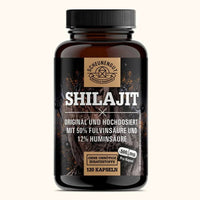
Shilajit Experiences: What's Really Behind It
If you're searching for Shilajit experiences, you're usually after an honest answer to a simple question: is this dark natural resin from the high mountains worth it — and what...

Shilajit Intake & Dosage: How to Get It Right
You can take Shilajit either as resin, which you dissolve in warm water or a drink, or simply as a pre-dosed capsule. With resin, you're aiming for a small amount...

Mumijo: What Is It? Origin & Meaning
Mumijo is a mineral-rich natural resin that seeps out of rock crevices in high mountain regions over very long periods of time — and it's the same substance as Shilajit:...

Whey or Casein? Comparing the Two Whey Proteins
Whey and casein are the two protein fractions found in cow's milk, and together they're the best-selling protein powders around. Both provide high-quality milk protein, but they behave differently in...

Which Blood Values Should You Get Checked? The Overview
A blood test can reveal a surprising amount about how well your body is supplied with key nutrients. But the list of possible lab values is long, and not every...
What Does Liposomal Mean? Bioavailability Explained Simply
The word "liposomal" appears on more and more food supplements – on vitamin C, glutathione, curcumin or quercetin. The term sounds technical and high-end, but remains unclear to many people....

Vitamin Gummy Bears: Worthwhile or Sugar Trap?
Colourful vitamin gummy bears are trending in many drugstores and online shops, promising your daily dose of nutrients in a chewable format. The key question is: behind the fruity facade,...
Natural or Synthetic Vitamin C? The Difference Explained
Hardly any nutrient is bought as often as vitamin C – and hardly any raises as many questions at the shop counter. Should it be the inexpensive powder made of...

Sublingual Supplements: B12 Drops and Sprays Explained
Whether as drops, a spray or a lozenge: sublingual forms are popular among food supplements, above all for vitamin B12. The promise behind them sounds plausible: the active ingredient is...

Ubiquinol or Ubiquinone? The Two Forms of Q10 Compared
Anyone reaching for coenzyme Q10 on the shelf quickly runs into two confusing terms: ubiquinol and ubiquinone. Both are marketed around the same nutrient, yet the labels promise different things...

Fish Oil or Algae Oil? Omega-3 Sources Compared
Omega-3 fatty acids are among the most discussed nutrients on the food-supplement shelf. Two sources dominate the market: classic fish oil and plant-based algae oil. Both supply the long-chain fatty...

Nutrient Robbers: What Drains Vitamins and Minerals in Everyday Life
Coffee to wake up, a hectic working day, a beer after work, plus perhaps nicotine or a long-term medication: our everyday life is full of habits that place demands on...

Nutrients Against Food Cravings: What Affects Blood Sugar and Satiety
Almost everyone knows the sudden, hard-to-ignore urge for something sweet or salty – usually in the afternoon or late at night. Food cravings are rarely just a lack of willpower;...

Nutrients for Swimmers: Energy, Immune System, and Joints
Swimming challenges the whole body: long laps in the pool, cool water, a large range of motion, and for many, a daily training routine that takes place in indoor pools...

Nutrients for Smokers: Increased Need for Vitamin C and More
Anyone who smokes exposes their body to a constant burden of free radicals. The smoke from a single cigarette contains thousands of chemical compounds that trigger what's known as oxidative...

Nutrients for Cyclists: Endurance, Electrolytes, and Recovery
Whether long road cycling tours, ambitious gravel training, or the daily commute by bike: cycling places steady demands on the body over hours and draws on energy and fluid reserves....

Nutrients for Combat Sports Athletes: Strength, Focus, and Recovery
Whether boxing, judo, wrestling, MMA, or Muay Thai: combat sports combine explosive power, endurance across multiple rounds, and split-second concentration. This combination places high demands on muscles, the nervous system,...

Nutrients for Sperm Quality: Zinc, Selenium, and Folate
When it comes to fertility, attention often turns to women first – yet around half of involuntary childlessness has male-related causes. Diet and lifestyle play a role here that's easy...

Nutrients for Fascia: Supporting Connective Tissue from Within
Fascia runs through the entire body as a fine network of connective tissue, giving it support, shape, and mobility. For this tissue to stay supple, nutrient supply plays a role...

Nutrients for a Normal Testosterone Level
Testosterone is widely seen as the "male hormone" – yet it does far more than most people assume, and it matters for women too. Muscle metabolism, bone density, mood, libido:...

Nutrients and Statins: Coenzyme Q10 and What You Should Know
Anyone who takes statins on a long-term basis will sooner or later come across the question of whether certain nutrients play a role. The name that comes up most often...

Nutrients and Thyroid Medication: Getting L-Thyroxine Timing Right
If you take L-thyroxine, you probably already know the rule of thumb from your pharmacy: in the morning, on an empty stomach, a while before breakfast. The reason behind it...

Nutrients and Metformin: Why Vitamin B12 Deserves Attention
Metformin is one of the most widely used active substances in the world. Anyone taking it over a longer period will sooner or later come across a well-studied connection: long-term...
Nutrients and Acid Reducers (PPIs): Vitamin B12, Magnesium, and More
Proton pump inhibitors – PPIs for short – are among the most commonly prescribed medications of all. Active substances such as omeprazole, pantoprazole, or esomeprazole reduce stomach acid production, easing...
No guides found.